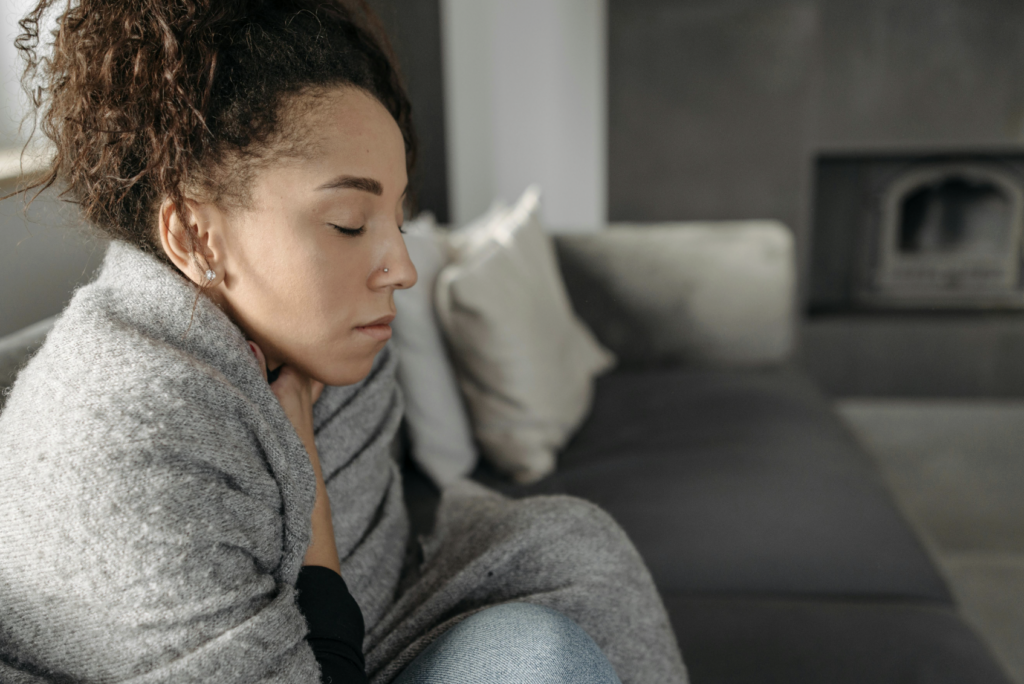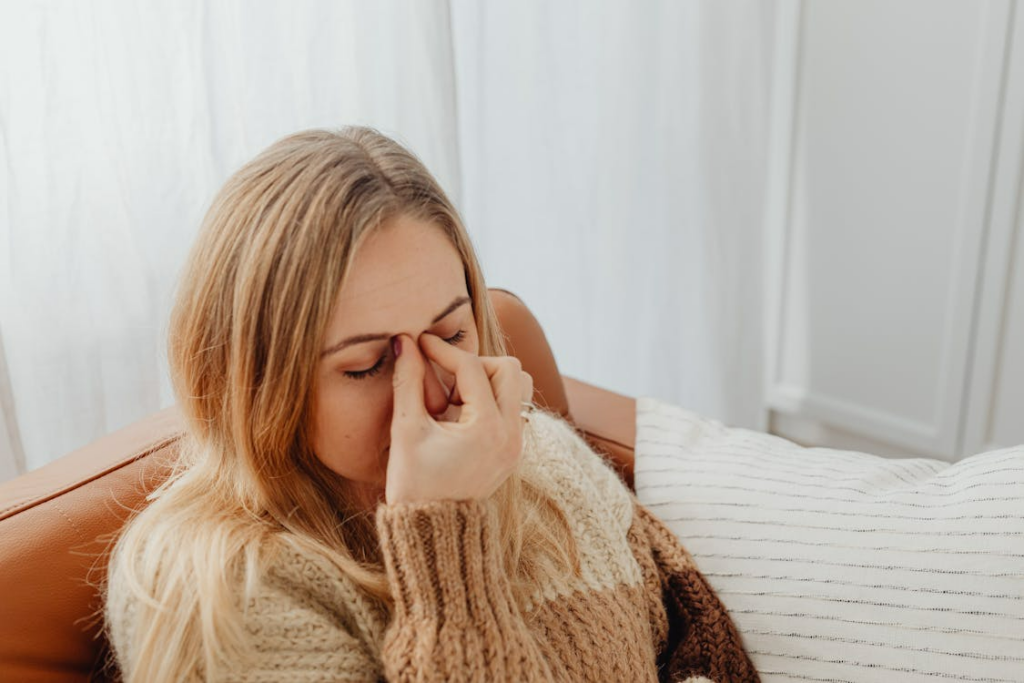
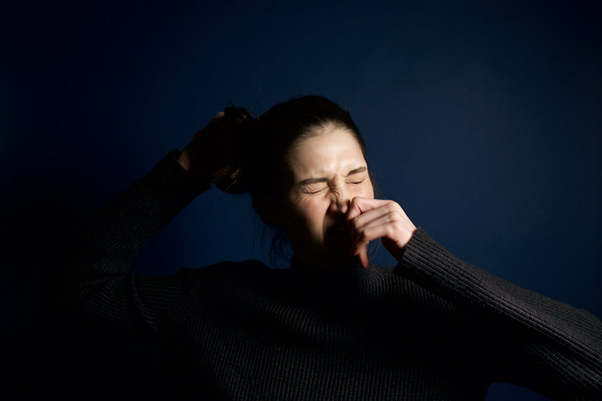
You have been sneezing all morning, your eyes are watery, and your nose will not stop running. It must be a cold, right? Not necessarily. Indoor allergies are surprisingly common in winter, and their symptoms overlap enough with viral infections that many people treat the wrong condition for weeks. If your sneezing follows a pattern that does not match a typical cold, it may be time to talk to a doctor about your symptoms and find out what is really going on.
Indoor Allergy Symptoms That Mimic a Cold
Sneezing, a runny nose, watery eyes, and an itchy throat are hallmarks of both allergies and the common cold, which is why so many people confuse the two. However, there are important differences. Allergies almost never cause a fever or significant body aches. If you have a low-grade fever, muscle soreness, or fatigue that feels flu-like, a virus is more likely.
On the other hand, if your symptoms come and go based on your environment, such as worsening when you are at home but improving when you leave, indoor allergens are probably the trigger. The American College of Allergy, Asthma & Immunology notes that indoor allergy symptoms often persist throughout winter as long as the exposure continues, unlike a cold that resolves within seven to ten days.
An online doctor for allergies can help you distinguish between the two and find the right approach to relief.
Common Winter Indoor Allergens You Might Be Overlooking
When windows are sealed and heating systems run constantly, indoor allergen levels spike. Dust mites thrive in warm, humid environments like bedding, upholstered furniture, and carpets, and they are one of the most common triggers year-round. Pet dander becomes more concentrated when animals spend all their time indoors. Mold growth can occur in bathrooms, around humidifiers, and even on firewood brought inside for winter fires.
Cockroach allergens, though less discussed, are another indoor trigger that peaks in colder months when these insects seek warmth inside homes. According to the Cleveland Clinic, many people are surprised to learn that their winter symptoms are allergy-related, since they associate allergies exclusively with spring and summer. An online medical consultation can help you identify the specific triggers contributing to your symptoms.
Simple Ways to Reduce Indoor Allergen Exposure
You do not have to suffer through winter sneezing without relief. Washing your bedding in hot water weekly kills dust mites and removes accumulated allergens. Using HEPA-grade air filters in your bedroom and main living areas captures airborne particles that trigger symptoms.
Keeping indoor humidity between 30 and 50 percent discourages mold growth while still maintaining comfort. Vacuuming with a HEPA-equipped vacuum at least twice a week reduces allergens trapped in carpets and upholstery. If pets sleep in your bed, consider creating an allergen-free zone in the bedroom to give your respiratory system a break overnight.
Stop Guessing and Start Breathing Easier

If your sneezing has lasted longer than a typical cold and follows an environmental pattern, allergies are likely the culprit. A virtual doctor consultation through TelMDCare can help you identify triggers and determine whether prescription allergy medication would provide better relief than over-the-counter options.
Find a doctor online through TelMDCare’s allergy relief prescriptions and start breathing easier this winter. Learn about virtual visits to see how simple the process is and book an appointment today.