
If your period cramps seem to ramp up as soon as the temperature drops, you are not imagining things. Many women report that menstrual pain intensifies during the colder months, and there are real physiological reasons behind it. Understanding those reasons, and knowing when the pain crosses into territory that deserves medical attention, can help you manage your cycle more effectively. TelMDCare offers a convenient way to discuss your symptoms with a physician without the hassle of scheduling an office visit.
Why Cold Weather Can Intensify Period Pain
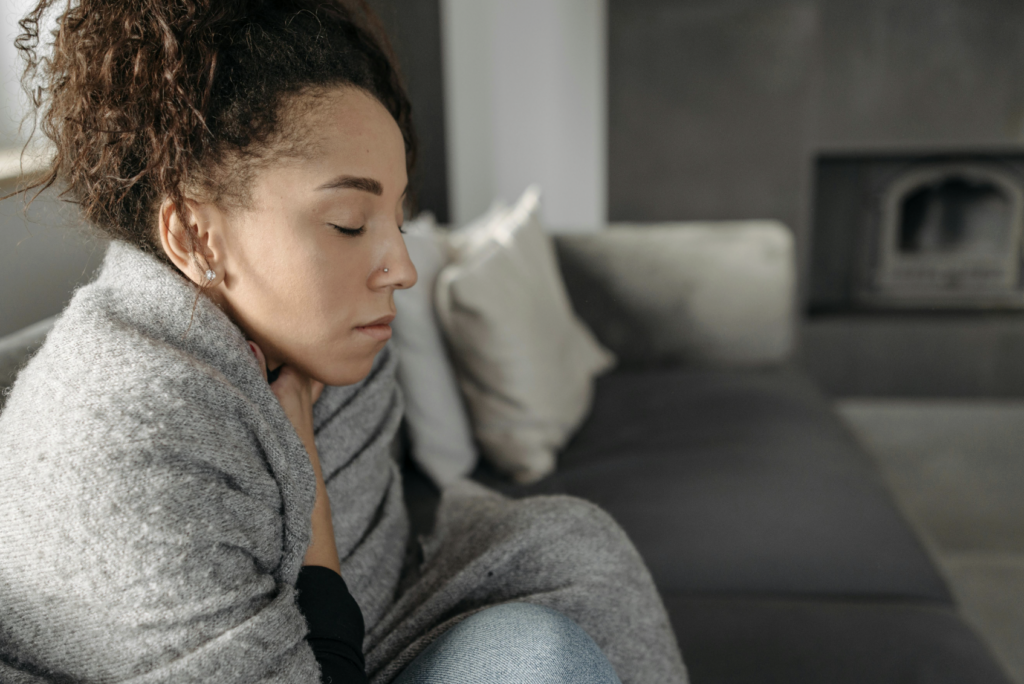
Cold temperatures cause blood vessels to constrict, a process called vasoconstriction. When this affects the blood vessels supplying the uterus, it can reduce blood flow and intensify cramping. At the same time, most people move less during winter.
Reduced physical activity leads to greater muscle tension throughout the body, including the pelvic floor, which can amplify menstrual discomfort. Winter also tends to bring increased stress levels, disrupted sleep schedules, and changes in diet, all of which affect how your body processes pain. Lower vitamin D levels, which are common during months with limited sun exposure, have been linked to increased inflammation and prostaglandin production, both of which play a role in uterine cramping.
According to the American College of Obstetricians and Gynecologists, these combined factors explain why menstrual pain in winter can feel more severe than during warmer months.
Comfort Strategies That Help During Winter Months
Heat is your strongest ally against winter cramps. A heating pad placed on your lower abdomen or lower back relaxes the uterine muscle and improves blood flow to the area. Warm baths serve a similar function while also easing overall muscle tension.
Gentle movement like indoor stretching, yoga, or even a slow walk around the house releases endorphins, your body’s natural pain relievers, and counteracts the stiffness that comes with sedentary winter days. Eating anti-inflammatory foods rich in omega-3 fatty acids, such as salmon, walnuts, and leafy greens, can help reduce prostaglandin levels. Staying well-hydrated prevents bloating, which often worsens cramping. If you use over-the-counter pain relievers, timing them before the pain peaks rather than after it has already intensified makes them significantly more effective.
The Cleveland Clinic also recommends limiting caffeine and salt intake during your period to reduce cramping and water retention. An online doctor for pain relief can help if over-the-counter options are not providing adequate relief.
When the Pain Signals Something Worth Investigating
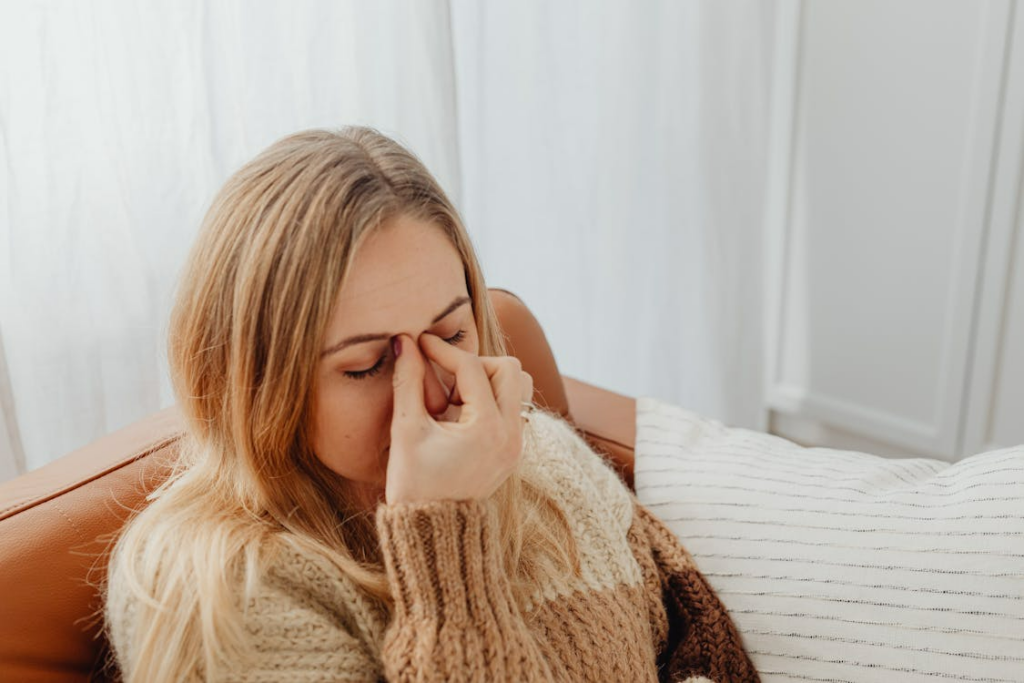
While some increase in winter cramps is normal, certain patterns warrant a conversation with a physician. If your cramps are severe enough to keep you home from work or school, that level of pain is not something you should accept as routine. Pain that has been progressively worsening with each cycle, rather than staying consistent, could indicate conditions like endometriosis or fibroids.
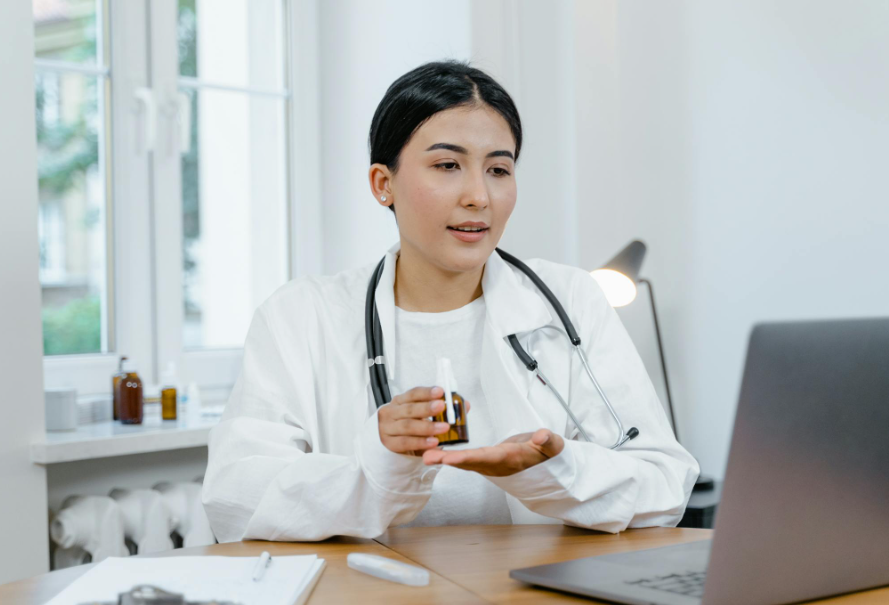
Heavy bleeding that soaks through a pad or tampon every hour, periods lasting longer than seven days, or pain that occurs between periods or during intercourse are all signs worth investigating. A virtual gynecologist appointment allows you to discuss these concerns confidentially and determine whether further evaluation is needed. You can consult a doctor online without waiting weeks for a specialist opening.

Your Pain Is Valid and Worth Talking About
Too many women dismiss severe menstrual pain as something they simply have to endure. TelMDCare’s physicians provide private, empathetic consultations for menstrual health concerns and can help you explore solutions tailored to your needs.
Whether you need to explore medication options or simply want reassurance from a professional, an online medical consultation puts that support within reach. TelMDCare also offers virtual gynecology appointment services for women’s health consultations. Contact TelMDCare and take your comfort seriously this winter.