
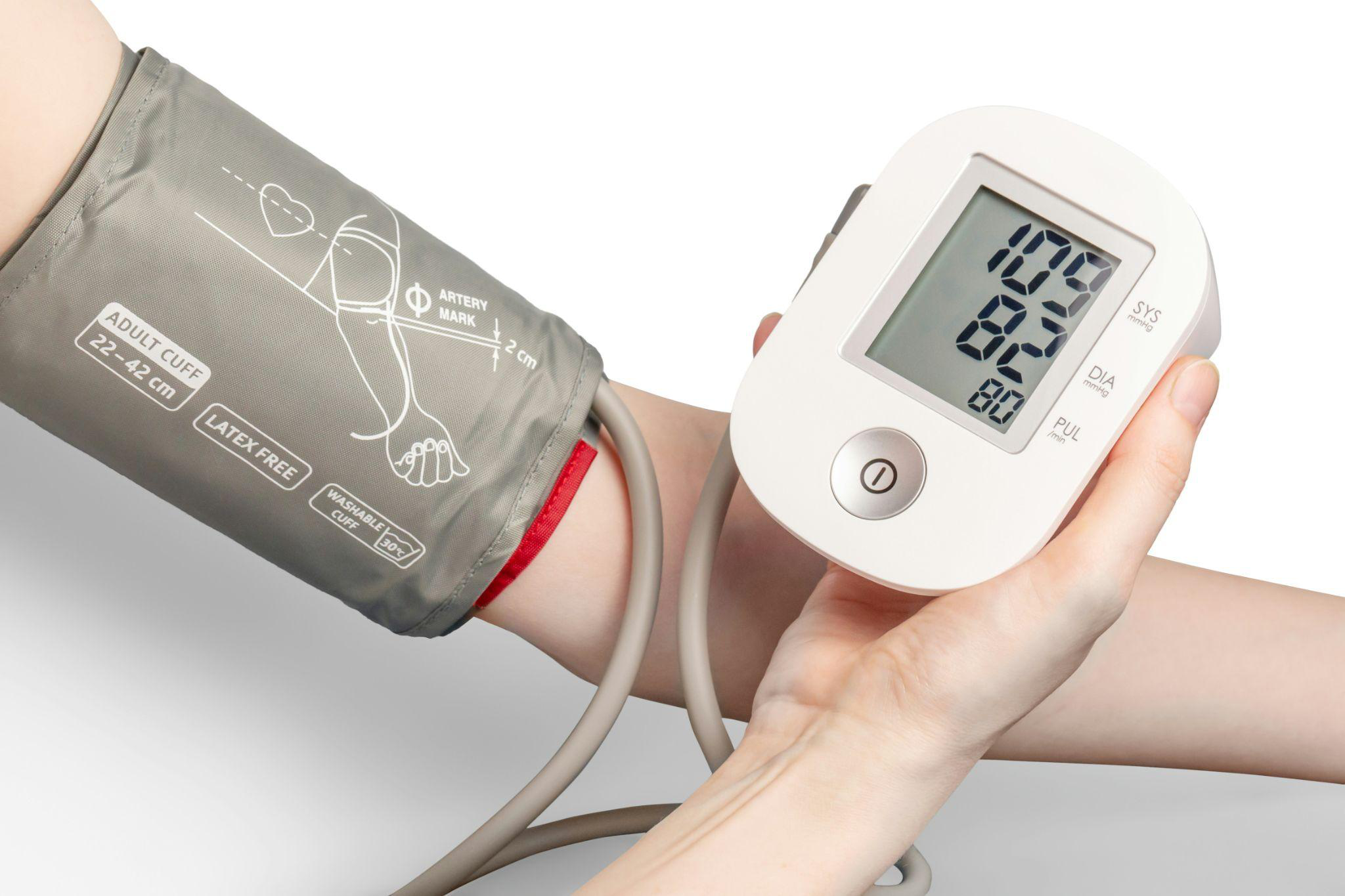
High blood pressure is one of the most common health issues faced by adults in the United States, with nearly 1 in 2 U.S. adults having hypertension at last measure. Effective treatment can greatly reduce the risks of heart attack, stroke, and kidney disease, but not all medications work the same way for every patient.
Understanding how beta blockers, angiotensin receptor blockers (ARBs), and diuretics work, and which patients benefit most from each, is essential to personalized care. With increasing access to online doctor appointments, patients can review medication options and find what’s right for them. Here’s a closer look at these three major classes of hypertension drugs and how providers decide which treatment fits which patient.
A Quick Look at Blood Pressure Medication Classes
There are several classes of medications used to treat hypertension, but beta blockers, ARBs, and diuretics are among the most frequently prescribed. Global and national guidelines recommend selecting medication based on individual risk, comorbidities, and side effect profiles.

Diuretics: Simplest Yet Powerful First Line
How They Work
Diuretics, often called “water pills,” help the body remove excess sodium and water through increased urination, reducing blood volume and lowering blood pressure. Thiazide diuretics, like hydrochlorothiazide, are especially common in treating mild to moderate hypertension and are often used as first-line therapy.
Who They’re Best For
- Older adults
- Patients with salt-sensitive hypertension
- People without significant organ disease
- Many patients initiating therapy
Benefits and Considerations
Diuretics are generally low cost and effective in preventing cardiovascular events. Diuretics are associated with significant reductions in heart attack and stroke risk, similar to other key antihypertensive classes.
However, they may alter electrolyte balance, so regular monitoring, guided by a medicine doctor, is important.
ARBs: Targeted Vascular Relaxation
How They Work
Angiotensin receptor blockers (ARBs) block the effects of angiotensin II, a hormone that causes blood vessels to constrict, allowing vessels to relax and lower blood pressure.
Who They’re Best For
- Patients with diabetes or chronic kidney disease
- Individuals who can’t tolerate ACE inhibitors
- Those needing good vascular protection without certain side effects
Benefits and Considerations
ARBs are often chosen when ACE inhibitors cause cough or angioedema. They’re well-tolerated and may provide effective cardiovascular protection. In hypertension studies, ARBs performed favorably compared with some other antihypertensives.
Beta Blockers: Not Always First Line, But Important
How They Work
Beta blockers slow the heart rate and reduce the force of contractions by blocking beta-adrenergic receptors. This decreases cardiac output and can lower blood pressure.
When They’re Most Useful
Beta blockers are valued for:
- People with heart disease, arrhythmias, or a history of heart attack
- Patients requiring heart rate control
- Those with certain symptoms, like chest pain
While beta blockers were once widely used as a first-line option, current guidelines often reserve them for patients with specific cardiac conditions rather than uncomplicated hypertension.

Why Medication Choice Matters
While all three classes can lower blood pressure, individual patient characteristics drive drug selection. Some key considerations include:
- Age and race: Certain populations respond differently to specific drug classes.
- Comorbidities: Conditions like diabetes, chronic kidney disease, or heart failure influence drug choice.
- Side effects: Tolerance and past reactions are crucial to success.
- Lifestyle and adherence: Simple dosing or lower side effects can improve long-term management.
Many patients eventually require combination therapy, two or more medications from different classes, to achieve blood pressure control.
The Role of Telemedicine in Managing Hypertension
Managing blood pressure is an ongoing process. Regular monitoring, medication adjustments, and lifestyle recommendations are all part of effective treatment. Virtual doctor visits have emerged as practical ways to maintain continuity of care for chronic conditions like hypertension.
A growing body of research supports telehealth as an effective way to monitor and manage blood pressure, often achieving outcomes on par with traditional care while offering more convenience. Patients can consult a doctor online, review home readings, adjust medications, and receive prescriptions, all from home.

Managing hypertension isn’t just about choosing the right medication; it’s about ongoing care, regular follow-ups, and access to trusted medical guidance when adjustments are needed.
TelMDCare makes that process easier and more accessible through secure online doctor appointments designed for chronic condition management. We help patients connect with a licensed medicine doctor online and receive personalized care.
If you’re ready to simplify your care and stay consistent with treatment, now is the time; contact us today and take control of your hypertension.