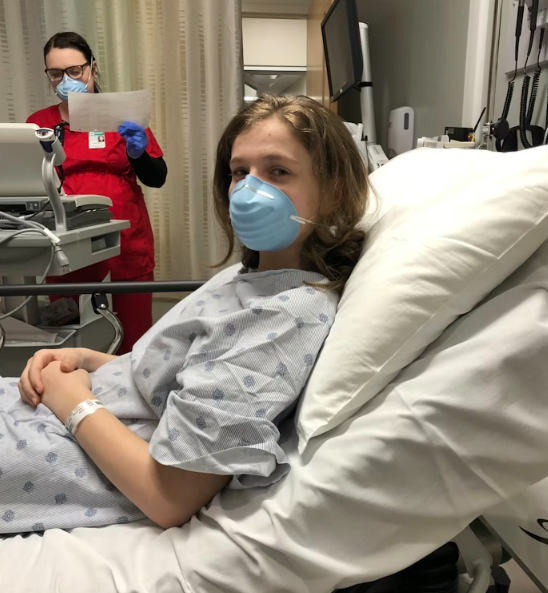

Feeling queasy in winter is more common than most people expect, and the cause is not always a stomach bug. Several winter-specific triggers can leave you nauseous, and identifying the right one determines whether you need fluids, a medication adjustment, or medical attention. If nausea has been lingering or intensifying, TelMDCare allows you to talk to a physician quickly and get clear guidance on your next step.
Three Common Winter Nausea Triggers
The most recognized cause of winter nausea is the stomach bug, typically norovirus, which peaks during the colder months. Norovirus causes sudden, intense nausea often followed by vomiting and diarrhea. It spreads rapidly in close quarters, making households and workplaces prime transmission zones.
However, not all winter nausea comes from a stomach virus. Post-nasal drip, which increases when sinus congestion and colds are prevalent, sends mucus draining into the stomach. This can cause a persistent, low-level queasiness, especially in the morning or after lying down. The third common trigger is medication side effects. During winter, people take more antibiotics, cold medications, decongestants, and pain relievers, many of which list nausea among their side effects.
Identifying which of these triggers is behind your symptoms is essential because each one requires a different response. According to Mayo Clinic, nausea with accompanying symptoms like fever and diarrhea points toward infection, while isolated nausea with no other GI symptoms may have a medication or sinus-related origin.
A nausea online doctor can help you sort through the possibilities efficiently. An online doctor for nausea will ask the right questions to narrow down the cause.
Dehydration Risk Signals You Should Not Ignore
Regardless of the cause, nausea becomes a medical concern when it leads to dehydration. Dark-colored urine is one of the earliest and most reliable indicators that your fluid intake has fallen below what your body needs. Dizziness, especially when standing up, dry mouth, and a feeling of lightheadedness are all dehydration signals.
A rapid heart rate at rest can also indicate significant fluid loss. If you have been vomiting and cannot keep fluids down for more than a few hours, dehydration can escalate quickly, particularly in children and older adults who have less physiological reserve.
The NIH MedlinePlus warns that severe dehydration is a medical emergency requiring immediate attention. For mild to moderate dehydration associated with nausea, sipping small amounts of clear fluids, electrolyte solutions, or ice chips can help your body recover.
An online doctor consultation can help you gauge the severity and determine whether you can manage at home or need intervention.

When to Stop Managing at Home and Call a Doctor
If nausea has lasted more than 48 hours without meaningful improvement, it is time to seek professional input. Vomiting that prevents you from keeping any fluids down, even in small sips, is a clear signal that home management is not sufficient. Blood in your vomit or stool requires prompt medical evaluation.
Nausea accompanied by severe abdominal pain, high fever, or confusion could indicate a more serious underlying condition. Even if your nausea seems mild, persistent queasiness that disrupts your ability to eat, work, or sleep deserves attention.
A speak to a doctor online consultation through TelMDCare allows you to describe your symptoms in detail and receive guidance on whether prescription anti-nausea medication, further testing, or a different approach is appropriate. A virtual doctor consultation takes the guesswork out of managing stubborn symptoms at home.
Persistent Nausea Is Not Something to Sleep Off
Winter nausea that will not quit deserves more than hoping it passes. TelMDCare’s physicians can evaluate the cause and prescribe anti-nausea medication or adjust your current treatment plan if a medication side effect is to blame. Get nausea relief prescribed through a quick virtual appointment and see what to expect from a visit. An online medical consultation puts you in front of a physician who can help you feel better today.
Contact TelMDCare and stop letting nausea run your winter.