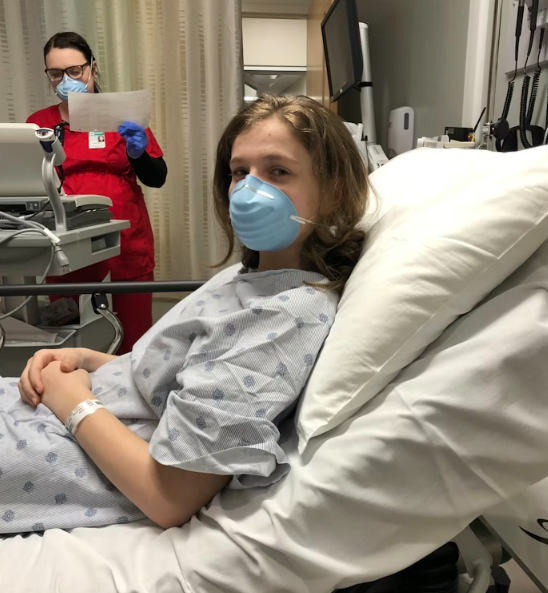

A common cold usually brings congestion, fatigue, and a sore throat. Breathing may feel uncomfortable, but it should not feel difficult. When breathing becomes labored or tight during a cold, it may signal more than a mild viral illness. Shortness of breath during a cold can be an early warning sign that deserves medical attention, especially during winter when respiratory conditions are more common.
Why Breathing Feels Harder With a Cold
Colds cause inflammation in the nasal passages and airways. Swelling and excess mucus can limit airflow, making breathing feel shallow or strained. In healthy adults, this discomfort stays mild and improves within days. Persistent shortness of breath suggests that inflammation may be affecting the lower airways or lungs, which is not typical for a simple cold.
When Symptoms Point to a Bigger Issue
Breathing difficulty during a cold may signal conditions such as bronchitis, pneumonia, asthma flare-ups, heart strain, or COVID-related complications. Worsening symptoms often include chest tightness, wheezing, rapid breathing, or trouble speaking full sentences. If shortness of breath appears suddenly or intensifies with minimal activity, it may reflect reduced oxygen exchange that needs prompt evaluation.
Risk Factors That Increase Concern
Some people face a higher risk when breathing issues occur with a cold. These include adults with asthma, chronic lung disease, heart conditions, diabetes, obesity, or weakened immune systems. Older adults and individuals recovering from viral infections may also experience delayed complications. An internal medicine doctor can assess whether symptoms align with a temporary illness or indicate a deeper respiratory or cardiac concern.
Warning Signs That Require Medical Review
Certain symptoms should never be ignored. These include chest pain, bluish lips or fingertips, dizziness, confusion, or difficulty staying awake. Persistent fever and coughing up blood also raise concern. In these situations, patients should speak to a doctor promptly to determine next steps and avoid delays in care.
How Virtual Care Supports Early Evaluation
Accessing care quickly makes a difference. A virtual doctor appointment allows patients to discuss symptoms, medical history, and risk factors without leaving home. During online appointments, physicians can determine whether testing, prescriptions, or in-person care is needed. For respiratory concerns, early guidance from online doctor consultation services helps prevent complications while supporting safe recovery at home.
Supporting Recovery Beyond Acute Symptoms
Breathing issues during illness often reflect overall health stress. Managing weight, controlling blood sugar, and maintaining heart health reduces strain on the lungs. Long-term care plans that include weight loss management may improve breathing capacity and lower the risk of future respiratory episodes, especially during cold and flu season.

Trusted Care With TelMDCare
Breathing changes during a cold should not be ignored. TelMDCare connects patients with experienced physicians through secure online visits for timely evaluation and treatment. With clear guidance, affordable access, and support for ongoing health needs like weight loss management, we help patients take control of their care with confidence. Book a doctor online today to address symptoms early and protect long-term respiratory health.