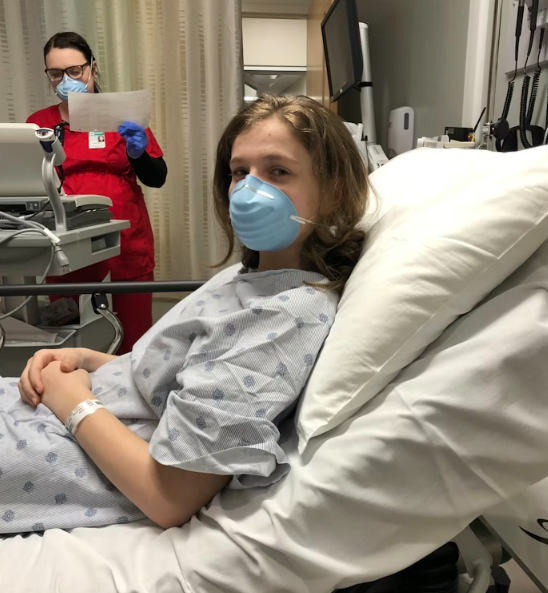

Spring is often seen as a time of renewal, but for many of us, it also brings unexpected breathing challenges. As temperatures rise and pollen fills the air, asthma symptoms can become more frequent and harder to manage. What feels like mild shortness of breath at first can quickly turn into persistent discomfort if not addressed early.
Understanding why asthma flare-ups happen in spring and how to manage them is key to staying healthy. With access to an online doctor consultation, we can get timely guidance and avoid unnecessary complications.
Why Spring Triggers Asthma Symptoms
Spring introduces several environmental changes that can aggravate asthma. The most common trigger is pollen, which is released by trees, grass, and plants as they begin to bloom.
When we inhale pollen, our immune system may react by causing inflammation in the airways. This leads to narrowing of the air passages, making it harder to breathe.
In addition to pollen, other spring-related triggers include:
- Warmer air that carries allergens more easily
- Increased outdoor activity
- Sudden weather changes
- Higher levels of air pollution in some areas
These factors combined can make asthma symptoms more noticeable and more difficult to control.
Common Signs of a Spring Asthma Flare-Up
Asthma symptoms can vary from person to person, but there are some common warning signs that indicate a flare-up.
These include:
- Shortness of breath
- Wheezing or a whistling sound while breathing
- Chest tightness or discomfort
- Persistent coughing, especially at night or early morning
If these symptoms appear more frequently during spring, it’s likely that seasonal triggers are playing a role.
A virtual doctor can help us assess these symptoms and determine whether adjustments in treatment are needed.
The Role of Pollen in Breathing Problems
Pollen is one of the most significant contributors to spring asthma flare-ups. On high pollen days, even brief exposure outdoors can trigger symptoms.
Pollen particles are small and easily inhaled, allowing them to reach deep into the lungs. Once inside, they can irritate the airways and cause inflammation.
To reduce exposure, we can:
- Check daily pollen forecasts
- Limit outdoor activities during peak pollen times
- Keep windows closed to prevent indoor contamination
- Change clothes and shower after being outside
If symptoms persist despite these precautions, an online doctor consultation can help us explore additional treatment options.
How Outdoor Exercise Can Trigger Symptoms
Spring weather encourages more outdoor activity, but exercise itself can also trigger asthma symptoms, especially when combined with allergens.
When we exercise, we tend to breathe faster and more deeply. This increases the amount of pollen and other irritants entering the airways.
Cold mornings followed by warmer afternoons can also create unstable conditions that affect breathing.
This doesn’t mean we need to avoid exercise altogether. Instead, we should:
- Choose times when pollen levels are lower
- Warm up properly before intense activity
- Carry prescribed inhalers when needed
A doctor can provide personalized advice on balancing physical activity with asthma management.
Managing Inhalers Effectively
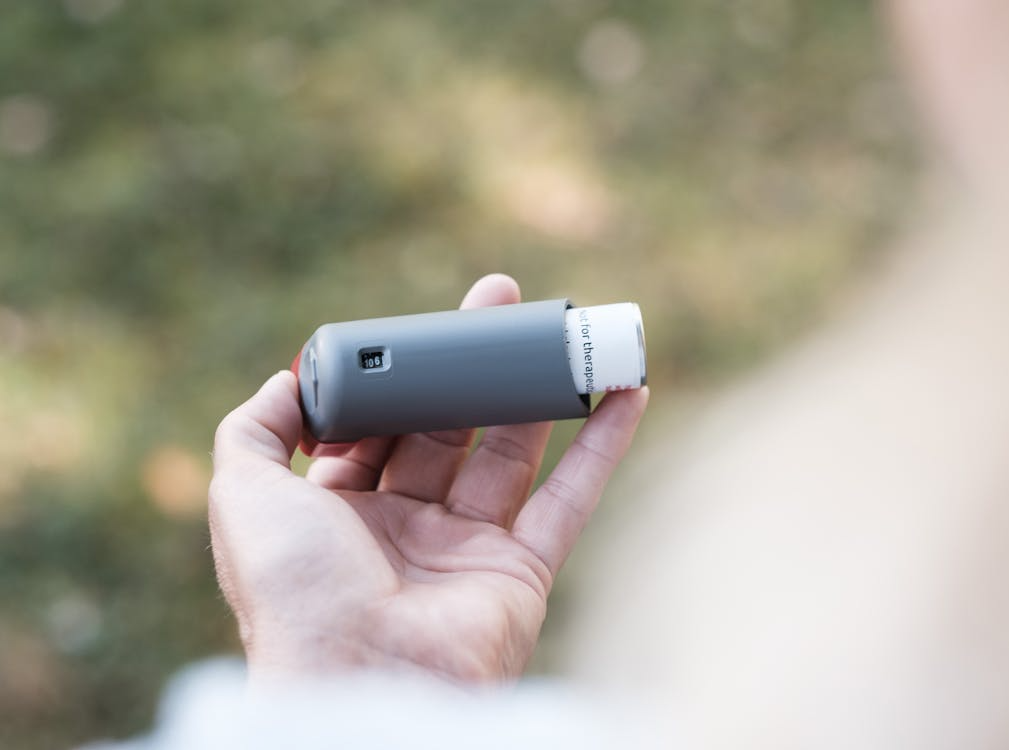
Inhalers are a key part of asthma management, but they are only effective when used correctly and consistently.
There are typically two types:
- Reliever inhalers, which provide quick relief during symptoms
- Preventer inhalers, which reduce inflammation over time
Many people rely only on reliever inhalers, but this approach may not be enough during peak allergy seasons.
With guidance from an online medical consultation, we can ensure that:
- We are using the correct inhaler for our condition
- Dosages are appropriate
- Techniques are effective
Proper inhaler use can significantly reduce the frequency and severity of flare-ups.
When to Seek Medical Help
While mild symptoms can often be managed at home, there are times when medical attention is necessary.
We should consider speaking with a virtual doctor if:
- Symptoms become more frequent or severe
- Inhalers are not providing enough relief
- Breathing feels consistently restricted
- Sleep is disrupted due to coughing or wheezing
Early intervention can prevent symptoms from escalating and improve overall control of asthma.
How Telemedicine Supports Asthma Care
Managing asthma doesn’t always require in-person visits. With telemedicine, we can access care quickly and conveniently.
Through an online doctor consultation, we can:
- Discuss symptoms and triggers in detail
- Review current medications
- Adjust treatment plans
- Receive prescriptions if needed
This is especially helpful during spring when symptoms may change rapidly due to environmental factors.
An online doctor can also help us create a long-term management plan to reduce future flare-ups.
Building a Spring Asthma Management Routine
Consistency is key when it comes to controlling asthma. By developing a routine, we can minimize the impact of seasonal triggers.
Some practical steps include:
- Monitoring daily symptoms
- Taking medications as prescribed
- Avoiding known triggers
- Maintaining a clean indoor environment
- Staying hydrated and well-rested
Small adjustments can lead to noticeable improvements in breathing and overall comfort.
Preventing Future Flare-Ups
While we can’t eliminate all triggers, we can take proactive steps to reduce the risk of flare-ups.
This includes:
- Regular check-ins with a healthcare provider
- Updating treatment plans as needed
- Staying informed about environmental conditions
- Acting early when symptoms appear
With the help of online medical consultation services, we can stay ahead of potential issues and maintain better control of our health.
Breathe Easier This Spring with TelMDCare
When asthma symptoms start interfering with our daily lives, we don’t have to manage them alone. At TelMDCare, we provide reliable and convenient care tailored to seasonal health challenges like spring asthma flare-ups.
Through our online doctor consultation services, we can quickly connect with experienced providers who understand how pollen, weather changes, and lifestyle factors affect breathing. Whether we need help adjusting medications, managing inhalers, or addressing worsening symptoms, support is always within reach.
Our virtual doctor consultations make it easy to get expert advice, prescriptions, and ongoing care without the hassle of in-person visits. This allows us to respond quickly to changes in symptoms and maintain better control of our condition.
Let’s take a proactive approach to asthma care this spring with TelMDCare and enjoy the season with confidence.