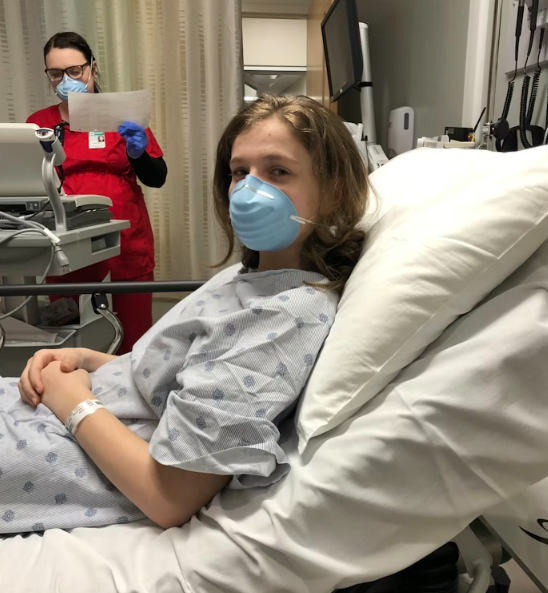

Brain fog after an illness can feel frustratingly real: difficulty concentrating, memory lapses, slowed thinking, and mental fatigue that leaves you wondering if you’ll ever feel sharp again. Whether it follows a viral infection, a bout of the flu, or even COVID‑19, this lingering cognitive haze, often called post‑illness brain fog, affects many people and can impact daily life. This is why understanding what causes it and how to address it can help you regain clarity and confidence.
What Is Post‑Illness Brain Fog?
Brain fog isn’t a medical diagnosis, but it describes a cluster of cognitive symptoms following an illness. Patients commonly report:
- Trouble focusing or multitasking
- Short‑term memory issues
- Sluggish thinking or confusion
- Mental fatigue
Cognitive dysfunction is a frequent complaint after viral illnesses and may persist for weeks or months as the brain recovers from systemic inflammation.
Long COVID, persistent symptoms after a COVID‑19 infection, has put a spotlight on post‑illness brain fog. Persistent cognitive issues are among the most reported symptoms of long COVID, alongside fatigue and shortness of breath.
What Causes Brain Fog?
Several mechanisms may contribute to post‑illness brain fog:
1. Inflammation
When your immune system fights infection, it releases inflammatory molecules. Sometimes, this systemic inflammation can affect brain function. Cytokines and other immune mediators can disrupt neurotransmitter balance.
2. Fatigue and Sleep Disruption
Illness often disrupts sleep patterns. Poor sleep quality, which is common during and after sickness, is strongly linked to cognitive impairment. A lack of restful sleep negatively impacts memory, mood, and executive function.
3. Deconditioning and Stress
Extended rest, isolation, and stress during illness can disrupt daily routines and overall wellness, further contributing to cognitive challenges. The psychological toll of long‑term illness can intensify feelings of brain fog and fatigue.
How Online Physicians Can Help
Recovering from brain fog isn’t just about waiting for time to pass; it’s about addressing underlying contributors like inflammation, sleep disruption, and stress. Virtual doctor consultations provide a convenient way to begin that process without leaving home.
Telemedicine has grown into a trusted care option as remote medical consultations improve access to post‑acute care, especially when symptoms persist after an illness.

Recovering from post‑illness brain fog often requires personalized guidance, symptom management, and follow‑up care, and you don’t always need to wait for an in‑person visit to start that process.
TelMDCare makes it easy to connect with a licensed doctor online through virtual doctor appointments that fit your schedule. Their secure, HIPAA‑compliant platform lets you discuss symptoms, receive care plans, and even obtain online prescriptions when appropriate, all from the comfort of home.
With affordable appointments, you can get the support you need quickly. Contact us today and take proactive steps toward clearer thinking and better overall health.