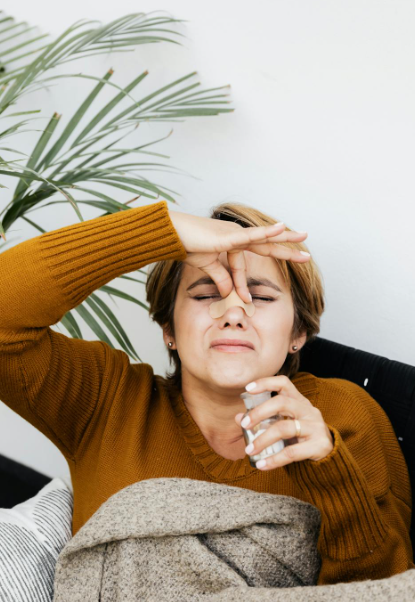
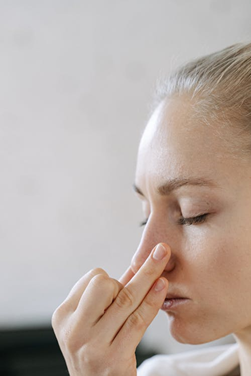
Post-nasal drip occurs when excess mucus produced in the sinuses flows down the back of the throat, causing irritation, coughing, or throat clearing. During colder months, indoor heating and dry air can thicken mucus and exacerbate discomfort. Many people experience repeated throat clearing and mild cough without realizing the root cause is sinus-related. Consulting a post-nasal drip winter specialist online can provide clarity and ensure symptoms are managed effectively.
Recognizing Common Symptoms
Typical signs include a persistent tickle in the throat, frequent throat clearing, mild cough, and occasionally a sensation of mucus stuck in the throat. Some may notice a constant need to swallow or a muffled voice due to mucus accumulation.
Nasal congestion, watery eyes, sinus pressure, and headaches often accompany the condition. Symptoms may worsen at night when lying down or in dry, heated rooms, highlighting how environmental factors play a significant role in winter. Keeping track of symptom patterns, such as whether they worsen after exposure to dust or heating, allows patients to take preventive steps before irritation escalates.
Why Winter Conditions Contribute
Cold, dry air can irritate the nasal passages and sinuses, leading to thicker mucus production. Indoor heating further reduces humidity, making mucus stickier and more likely to drip down the throat. Seasonal colds, viral infections, and indoor allergens like dust and mold also compound this effect, prolonging recovery and contributing to ongoing throat irritation.
People with allergies, asthma, or previous sinus issues may experience amplified symptoms, making winter management strategies essential. Even mild sinus inflammation can lead to a constant tickle, fatigue, and disrupted sleep, creating a cycle that worsens over weeks if left unmanaged.
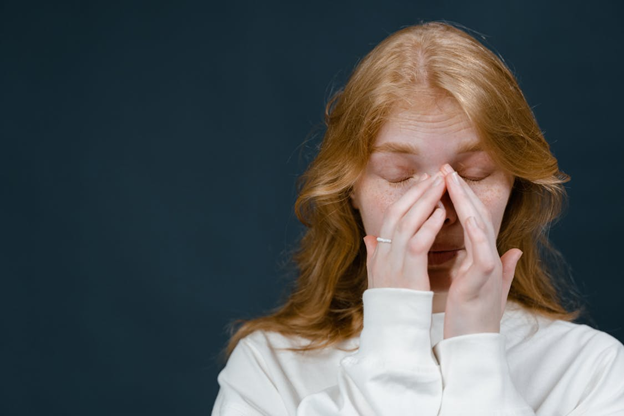
Home Relief Strategies
Several at-home measures can ease post-nasal drip symptoms during winter:
- Stay hydrated: Drinking water thins mucus and helps it drain more efficiently, preventing it from irritating the throat.
- Use a humidifier: Maintaining indoor humidity at 40–50% prevents mucus from thickening and keeps airways comfortable.
- Saline nasal sprays: These rinse allergens, dust, and excess mucus from the nasal passages to reduce irritation.
- Elevate the head while sleeping: This helps prevent mucus accumulation at the back of the throat, especially overnight.
- Avoid irritants: Cigarette smoke, strong fragrances, and dry indoor air can worsen symptoms and prolong recovery.
- Warm compresses: Applying gentle warmth over the sinuses can ease congestion and encourage proper drainage.
While these steps often provide relief, persistent or severe symptoms may require professional evaluation, especially if accompanied by secondary infections or chronic discomfort.
When to Seek Medical Support
If symptoms include fever, severe sinus pain, thick or colored nasal discharge, or ongoing irritation that home remedies do not relieve, speaking to a post nasal drip winter specialist can provide faster relief. Virtual visits allow evaluation of symptom history, environmental triggers, and guidance on prescriptions when necessary, reducing the need for in-person waiting rooms during winter. Rapid intervention can also prevent complications such as sinus infections or bronchial irritation.

Treatment Options from a Doctor
A post-nasal drip consultation may lead to recommendations such as prescription nasal sprays, antihistamines, or short courses of antibiotics if bacterial infection is suspected. An online doctor consultation service provider can determine which treatment is appropriate and monitor progress safely. In some cases, identifying underlying triggers like seasonal allergies, acid reflux, or structural sinus issues is key to preventing recurrent post-nasal drip episodes. Follow-up care ensures symptoms are managed efficiently, providing both immediate relief and long-term comfort during the winter months.
Get Relief from Post-Nasal Drip This Winter
Winter can make post-nasal drip feel persistent and irritating, but understanding triggers and symptom patterns allows timely action. Using home remedies, managing humidity, staying hydrated, and addressing environmental triggers can significantly reduce irritation. For cases that do not improve, seeking guidance from a post-nasal-drip winter expert through online doctor consultation services or speaking to a doctor online ensures safe and effective relief. Telehealth makes it simple to address ongoing symptoms promptly without leaving home, giving patients convenience and confidence in their care.
For those ready to manage symptoms effectively, book an appointment with TelMDCare and get trusted support for post-nasal drip winter care and professional guidance.