

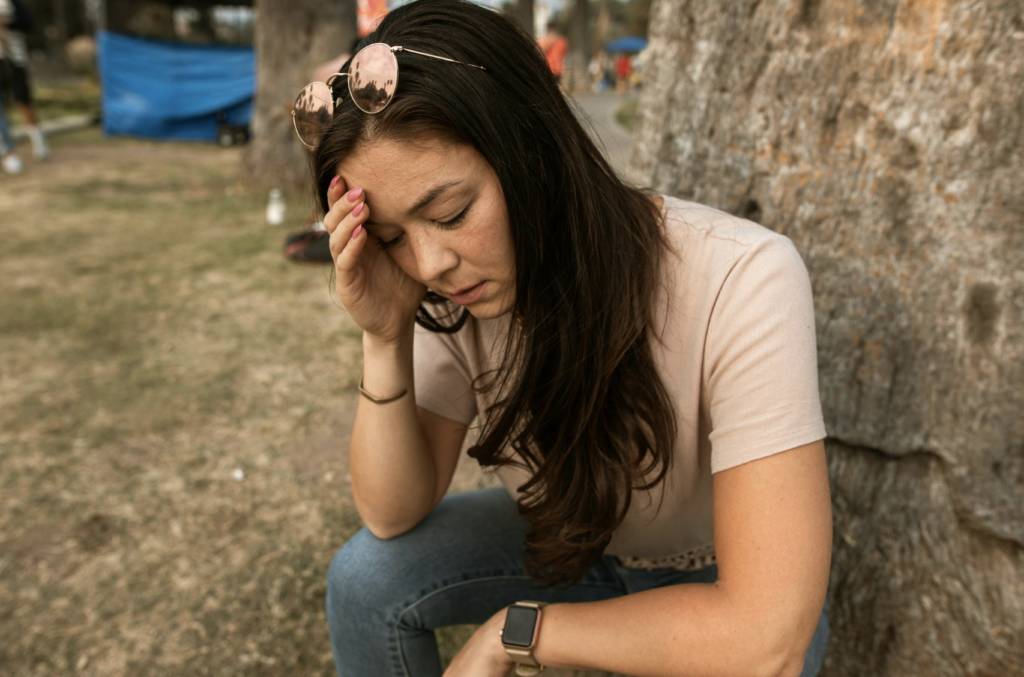
Spring often arrives with brighter days, warmer air, and renewed activity, yet many individuals still experience emotional unease despite having no obvious life stress. Subtle biological changes, shifting daylight exposure, and disrupted sleep cycles can influence mood regulation more than people realize. Emotional sensitivity may rise quietly, leaving individuals confused about why relaxation feels harder during this season. In some cases, restlessness appears without external triggers, creating internal tension that is difficult to explain. This condition, often linked with seasonal anxiety, shows how environmental transitions can affect mental balance even when personal circumstances remain stable, making emotional patterns feel unpredictable during otherwise pleasant months.
Light Exposure and Internal Mood Shifts
Increased daylight hours during spring can alter the brain’s chemical balance, especially in individuals sensitive to circadian rhythm changes. While brighter mornings may seem beneficial, sudden shifts in light exposure can disrupt melatonin production and affect emotional stability.
People often report feeling restless, mentally alert at unusual hours, or strangely fatigued despite adequate rest. These variations can create a sense of imbalance that is hard to interpret. Mood fluctuations may appear without clear reasoning, making daily focus inconsistent.
In more persistent cases, individuals may consider speaking with a virtual doctor for depression to understand whether ongoing emotional shifts are connected to underlying seasonal patterns rather than external stressors alone.
Sleep Pattern Disruption During Seasonal Transition
As temperatures rise and daylight extends, sleep cycles frequently adjust in subtle but disruptive ways. Many individuals fall asleep later than usual or wake earlier without feeling refreshed. This imbalance can affect emotional regulation, increasing irritability, mental fog, or sensitivity to minor stressors throughout the day.
Over time, inconsistent sleep may weaken resilience against everyday challenges, even if life circumstances remain unchanged. Some people describe feeling “wired but tired,” where rest does not fully restore energy levels.
When these symptoms persist, consulting a virtual doctor for a sinus infection may help rule out physical contributors that often overlap with sleep-related discomfort and seasonal environmental changes.
Physical Sensations That Mirror Emotional Strain
Spring allergies, temperature shifts, and environmental exposure can produce bodily sensations that resemble emotional distress. Head pressure, fatigue, mild dizziness, or chest tightness may unintentionally intensify feelings of unease.
The mind often interprets physical discomfort as emotional stress, even when the root cause is physiological. This overlap can make it difficult to distinguish between mental fatigue and bodily reactions to seasonal change.
As a result, individuals may feel unusually sensitive or overwhelmed without understanding why. In some cases, discussing symptoms with a virtual doctor may help identify whether underlying physical irritation is amplifying emotional discomfort during this seasonal transition.
Social Activity Pressure and Emotional Overload
Spring often encourages increased social interaction, outdoor events, and heightened expectations for productivity. While these changes can be positive, they may also create subtle pressure for individuals already experiencing emotional sensitivity.
The contrast between internal exhaustion and external activity can lead to withdrawal, guilt, or mental fatigue. Some people may feel overstimulated in environments that previously felt comfortable, leading to avoidance behaviors. Emotional overload can build gradually, making it difficult to identify the exact cause of distress.
In more noticeable cases, consulting a virtual doctor for bronchitis may help distinguish whether physical fatigue or emotional strain is contributing more significantly to the overall experience.
When Emotional Changes Begin Affecting Daily Function
As seasonal transitions continue, emotional fluctuations may begin to interfere with concentration, motivation, or decision-making. Tasks that once felt simple may require additional effort, and emotional responses may feel disproportionate to everyday situations.
Individuals may also notice increased worry or difficulty relaxing even in safe environments. These patterns can gradually affect work performance and personal relationships if left unaddressed. Recognizing when emotional shifts persist beyond temporary adjustment is important for overall well-being.

Seeking professional guidance through a virtual doctor for anxiety may provide clarity, especially when symptoms begin to disrupt normal routines or reduce quality of life during seasonal changes.
Getting Support When Seasonal Changes Feel Overwhelming
At TelMDCare, we recognize how seasonal transitions can quietly intensify emotional discomfort even when life appears stable on the surface. Our approach focuses on accessible support for individuals who feel overwhelmed by shifting mood patterns, sleep disruption, or unexplained emotional strain.
Through a virtual doctor appointment, we help patients explore their symptoms in a supportive and private setting. Our platform also provides reliable online healthcare services in Kansas, Washington, Arizona, and beyond, designed to make care more flexible and easier to access during busy or emotionally challenging periods. We believe in delivering compassionate, timely guidance that adapts to modern needs without unnecessary complexity.
To learn more about our approach and receive personalized support, reach out to our team today.