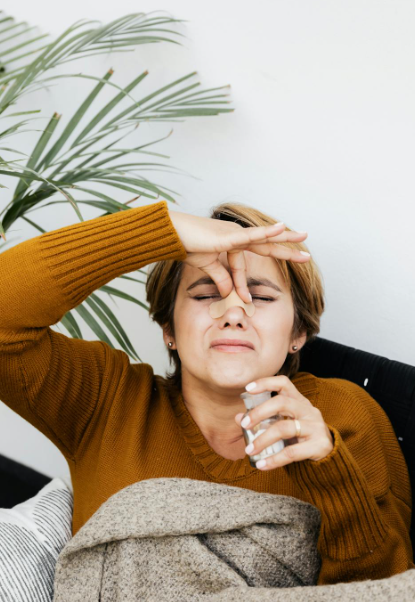

Many people expect allergy symptoms to fade once pollen season ends. However, winter allergies often worsen indoors due to increased exposure to dust, mold, and other hidden irritants. When windows stay closed and heating systems run constantly, allergens circulate more easily through living spaces. In these situations, consulting doctors online can help clarify whether symptoms are allergy-related or linked to infection.
Understanding why symptoms spike during colder months helps individuals take appropriate action before discomfort interferes with daily life.
Why Allergies Persist in Winter
Unlike spring and summer allergies driven by outdoor pollen, winter reactions typically result from indoor triggers. As families spend more time inside, exposure to dust mites, pet dander, and mold spores increases. Carpets, upholstered furniture, bedding, and curtains can trap allergens for long periods.
Heating systems also contribute. Forced air circulation spreads microscopic particles throughout rooms, increasing inhalation exposure. Poor ventilation compounds the issue, allowing allergens to accumulate rather than disperse.
Humidity changes create additional problems. Excess moisture encourages mold growth in bathrooms, basements, and kitchens. Even small patches can release spores that irritate sensitive airways.
The Role of Closed Indoor Environments
During colder months, homes and workplaces remain sealed to conserve heat. While this improves energy efficiency, it also limits fresh air exchange. Without proper airflow, irritants linger and concentrate over time. Airborne particles settle on surfaces and are easily disturbed by daily movement, sending them back into circulation.
This repeated exposure explains why symptoms may feel stronger indoors than outside, even when outdoor pollen levels are low.

Common Indoor Triggers
Dust mites are one of the leading causes of winter symptoms. These microscopic organisms thrive in warm bedding and soft furnishings. Washing sheets weekly in hot water reduces their presence.
Mold grows in damp corners, around windows, and near plumbing leaks. Dehumidifiers and proper ventilation help control moisture levels. Air purifiers with HEPA filters may also reduce airborne particles.
Pet dander remains active year-round. During winter, pets spend more time indoors, increasing allergen concentration in enclosed spaces.
Scented candles, cleaning sprays, and fireplaces can further irritate nasal passages, even if they are not traditional allergens.
Recognizing Winter Allergy Symptoms
Symptoms of winter allergies often resemble a mild cold. Common signs include:
- Sneezing and nasal congestion
- Runny or itchy nose
- Watery or irritated eyes
- Postnasal drip
- Mild cough
Unlike viral infections, allergies typically do not cause fever or body aches. Symptoms may persist for weeks without significant improvement if the trigger remains present.
When uncertainty exists, individuals can consult a doctor online to discuss patterns and triggers. Virtual consultations help distinguish allergies from sinus infections or other respiratory conditions.
Practical Relief Strategies
Managing indoor allergens requires consistent effort. Begin by improving air quality. Replace HVAC filters regularly and vacuum carpets using a machine equipped with a HEPA filter. Reduce clutter that collects dust.
Maintain indoor humidity between 30 and 50 percent. Dehumidifiers prevent mold growth in damp areas. Fix leaks promptly to stop moisture buildup.
Use allergen-proof mattress and pillow covers to limit dust mite exposure. Wash bedding in hot water weekly.
If over-the-counter antihistamines or nasal sprays provide limited relief, professional guidance may be necessary. Many individuals choose online doctor appointments for timely assessment without visiting crowded clinics during peak illness season.

When to Seek Virtual Medical Advice
Persistent congestion, sinus pressure, or worsening cough may signal complications such as sinus infection. In such cases, an online doctor consultation offers convenient evaluation and treatment recommendations.
Patients experiencing breathing difficulty, wheezing, or severe reactions should seek urgent in-person care. However, mild to moderate symptoms can often be managed effectively through a virtual doctor appointment.
Digital access allows patients to review symptoms, receive prescriptions if appropriate, and discuss preventive measures. This approach minimizes exposure to other winter illnesses circulating in waiting rooms.
Get Relief From Winter Allergies
Winter symptoms should not be dismissed as seasonal inconvenience. Indoor triggers frequently intensify winter allergies, leading to ongoing discomfort when left unmanaged. Improving air quality, reducing moisture, and maintaining consistent cleaning habits can significantly lower allergen levels.
If symptoms persist despite home adjustments, professional support matters. You can speak to a doctor online or schedule a virtual doctor consultation for guidance and treatment options. For convenient, patient-focused support during allergy season, book an appointment with TelMDCare and receive care from the comfort of home. Contact us today.