
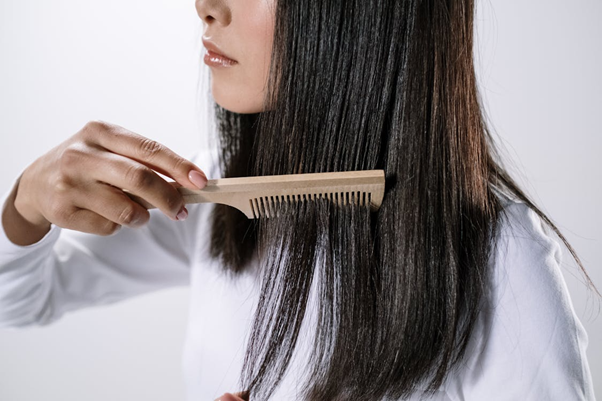
You pull on a dark sweater and immediately notice white flakes scattered across your shoulders. Your scalp itches constantly, and no amount of regular shampooing seems to help. Winter dandruff is a frustrating reality for millions of people, and the indoor conditions of the colder months often make it significantly worse. If your usual routine is not cutting it anymore, TelMDCare can help you get the right treatment without a clinic visit.
Why Indoor Heat and Dry Air Make Dandruff Worse
Central heating systems strip moisture from indoor air, and your scalp feels the impact directly. When the skin on your scalp dries out, it can crack and shed in visible flakes. Ironically, this dryness triggers your sebaceous glands to overproduce oil as a compensating response.
That excess oil feeds Malassezia, a type of yeast that naturally lives on the scalp and is the primary driver behind dandruff. The result is a cycle of dryness, oil overproduction, yeast overgrowth, and flaking that worsens throughout winter. Hot showers, which most people take more frequently during cold months, further strip natural oils and exacerbate the problem.
Wearing hats and beanies traps heat and sweat against the scalp, creating a warm, moist environment where Malassezia thrives. The American Academy of Dermatology explains that dandruff during winter is one of the most commonly reported dermatological concerns, and it responds well to the right approach.
Resetting Your Scalp Routine for Winter
If your regular shampoo is not controlling winter flaking, it is time to switch to a medicated formula. Shampoos containing zinc pyrithione, ketoconazole, selenium sulfide, or coal tar target the yeast that drives dandruff. Use the medicated shampoo two to three times per week, leaving it on your scalp for at least five minutes before rinsing to give the active ingredients time to work.
On alternate wash days, use a gentle, sulfate-free shampoo to maintain moisture balance. Reducing the temperature of your shower water, even slightly, helps prevent further oil stripping. If your scalp feels tight and dry between washes, a lightweight scalp oil or serum applied at night can restore hydration without clogging pores.
The Mayo Clinic recommends continuing medicated shampoo use even after symptoms improve to prevent recurrence. Consistent care through online medical services can also guide you toward the most effective product for your specific scalp condition.
When Over-the-Counter Products Are Not Enough
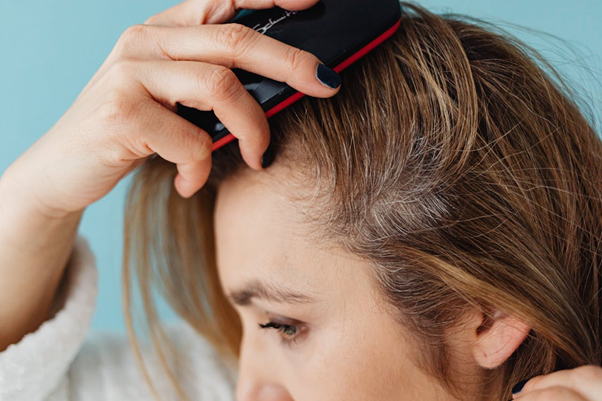
If you have been using medicated shampoo consistently for several weeks without relief, or if your symptoms are intensifying, it may be time for prescription-strength treatment. Red, inflamed patches on the scalp, oozing or crusting, and flaking that spreads to your eyebrows, the sides of your nose, or behind your ears could indicate seborrheic dermatitis, a more persistent condition that shares similarities with dandruff but requires different management.
A skin rash online treatment consultation through TelMDCare can help determine whether you need a stronger topical medication or whether an underlying issue is contributing to the problem. An online doctor consultation saves you the time and expense of a dermatology office visit for what is often a straightforward diagnosis.
Stop Living Under a Snowstorm of Flakes
Persistent dandruff does not have to control your winter wardrobe choices or your confidence. TelMDCare’s physicians can prescribe stronger treatments when over-the-counter options fall short, making dermatology advice accessible and affordable.
Schedule a virtual dermatology visit and learn about the process to see how quick and easy it is. Affordable online healthcare through TelMDCare puts effective scalp care within reach. Contact TelMDCare today and reclaim your comfort.